Our vision
The Rotunda was built as a place for people to gather. For 181 years it housed the Royal Artillery Museum, one of London’s most distinctive public buildings. We want to return it to that role.
Rotunda Trust exists to repair this building and keep it open and in use. The trust would own it as a charity. An operator, chosen by an open process, would run the venue under a lease at an open market rent. The trust keeps control of the building, and the rent goes first to its repair.

A venue for everyone
The Rotunda is 35.4 metres across, with room for more than 500 seated or about 1,000 standing. It is one of the largest interior spaces in south-east London. The programme would balance community use and commercial hire: community use gives the building its purpose, and commercial use pays for its repair.
Community – subsidised or free
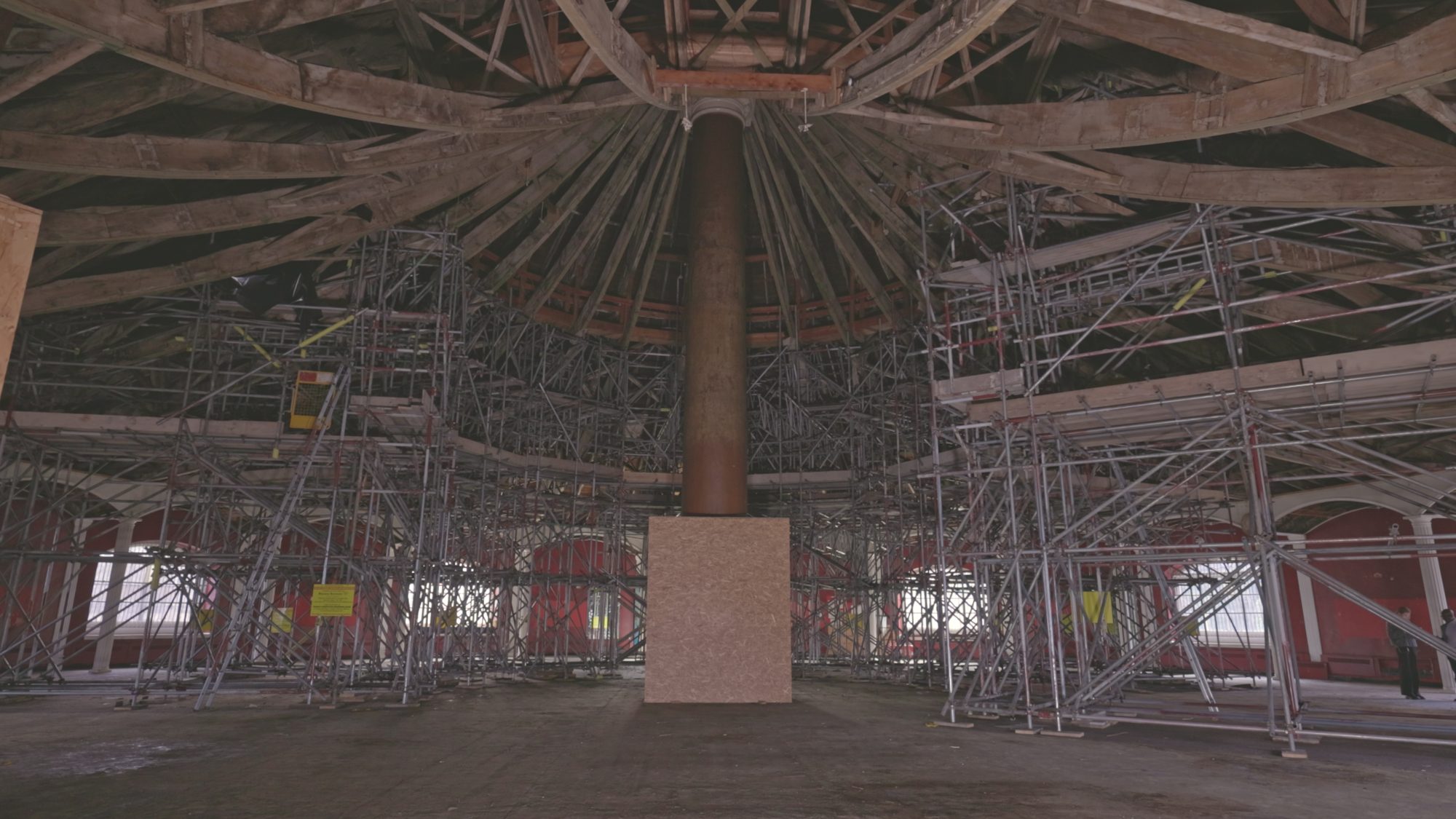
Schools and youth groups. Heritage open days. Local charity fundraisers. Remembrance services. Community assemblies and public meetings. Military heritage visits for enthusiasts who have been locked out of this building for 25 years. The people of Woolwich should be able to walk into this building, see the 1814 timber roof above them, and feel that it belongs to them.

Cultural – affordable hire
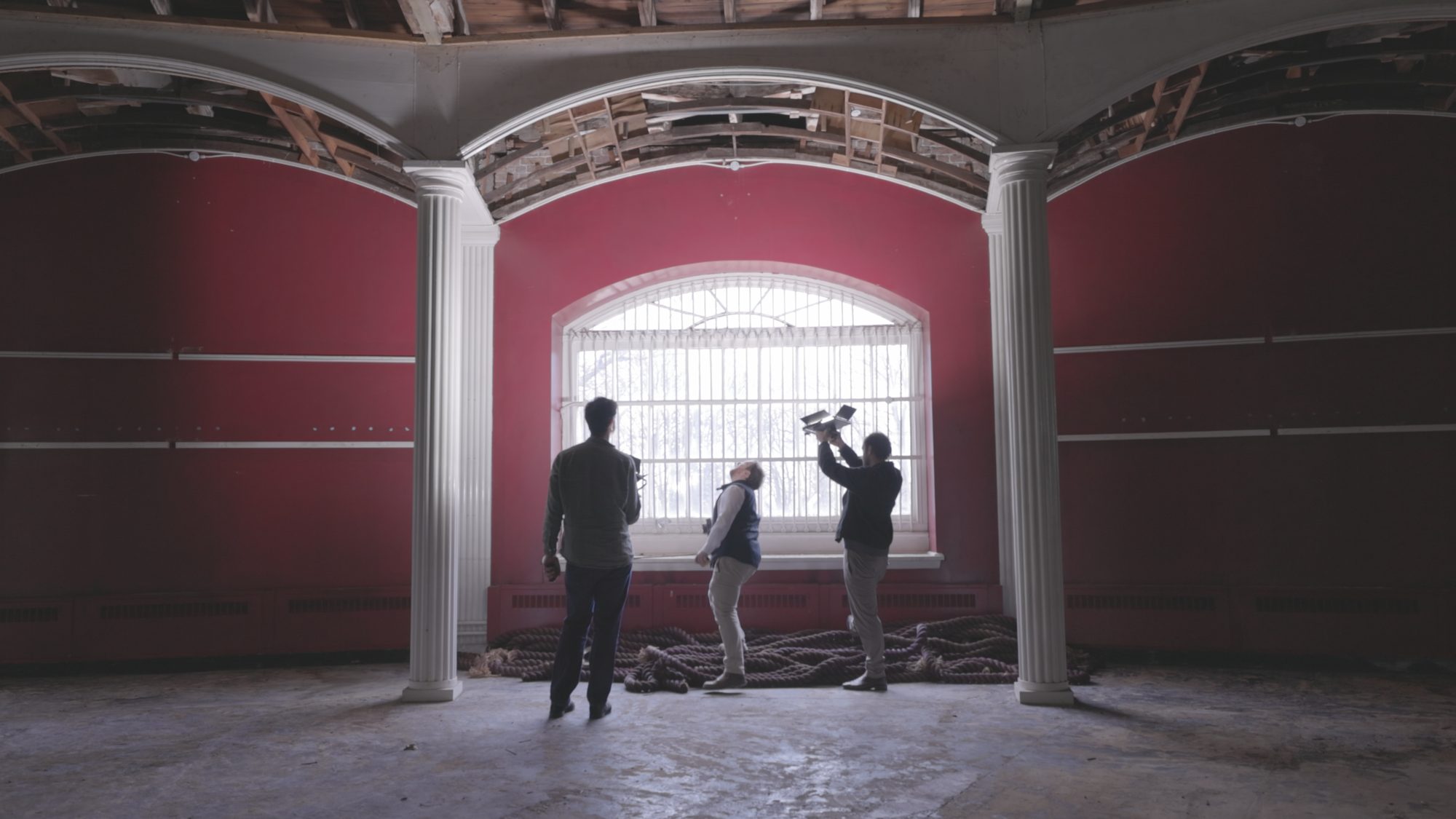
Theatre, dance, spoken word, art installations, exhibitions. A circular room under a conoid timber ceiling is unlike any other performance space in London. Promenade theatre, in-the-round staging and gallery exhibitions all work naturally with the geometry.
Music, weddings and private hire – commercial rates
Live bands, weddings, celebrations, private receptions. Brick walls, a timber roof and natural light give it a character no other venue in south-east London has. Commercial hire at market rates pays for conservation.
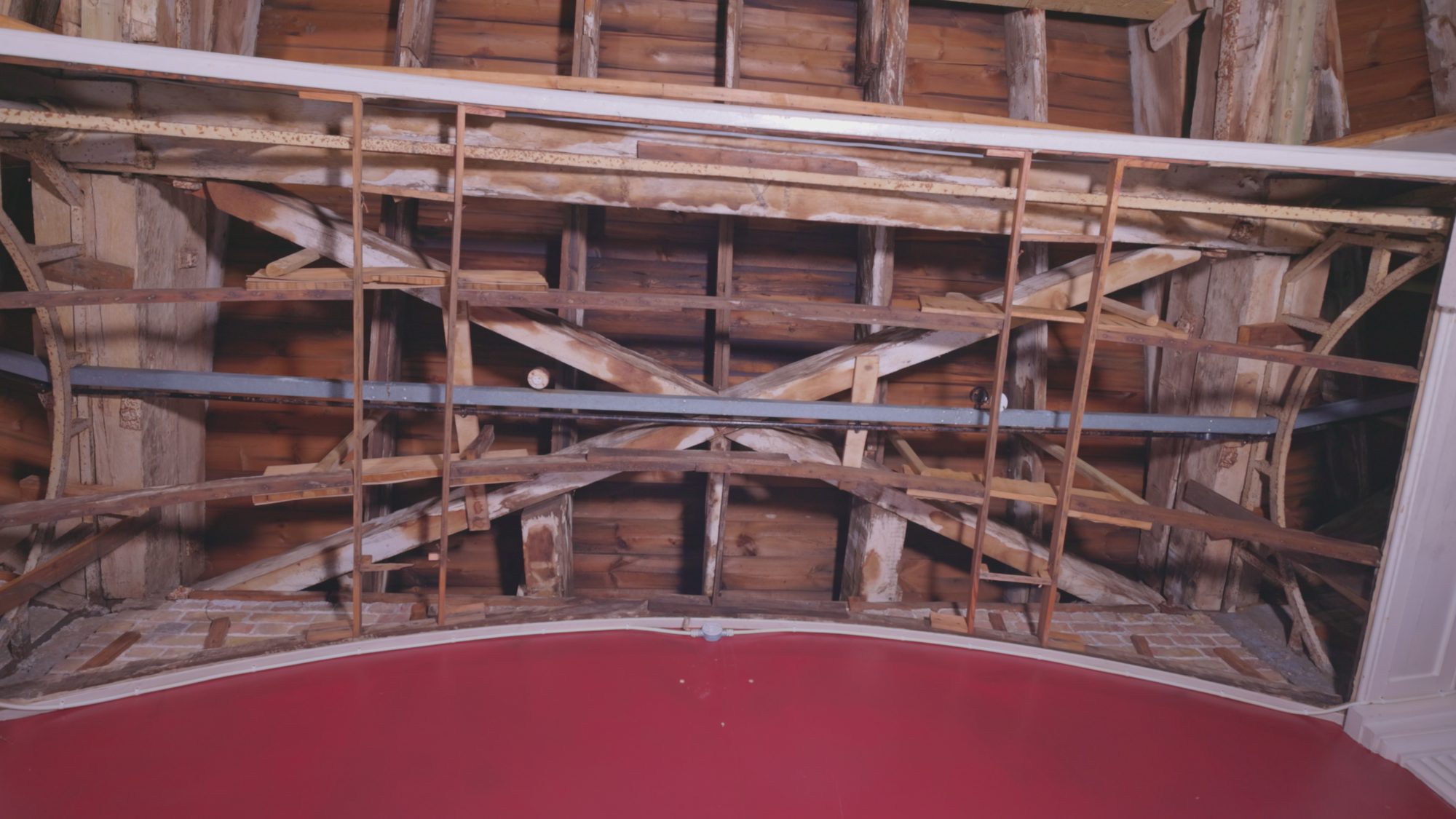
Money given to the trust is spent on repairing the Rotunda and nothing else. The conservation of this Grade II* structure is the trust’s reason for being, and commercial income pays for it.
How it works
Rotunda Trust is a Building Preservation Trust with charitable objects, incorporated in March 2026 as a company limited by guarantee (17115816). Its objects are the conservation of the Rotunda and other heritage at risk, the reuse of historic buildings for arts, culture and heritage, and education in their history and in military and maritime history and heritage.
The trust would hold the building in charitable ownership. It would set the conservation priorities, govern the building’s future, and carry out the heritage repair of the structure, roof and historic fabric to the standard its Grade II* listing demands.
An operator would lease the venue and run it, at an open market rent set by independent valuation. The operator pays for its own fit-out and running costs. Any licensing of the Rotunda’s name, image or content pays a royalty to the trust. Both obligations bind any future operator.
This structure is the basis for heritage grant funding. The National Lottery Heritage Fund, Historic England and the Architectural Heritage Fund all require a not-for-profit applicant.
If an operator fails, the building stays with the trust. It cannot revert to the Ministry of Defence or pass to a developer. Its governing documents and charity law protect it.
Download
Rotunda Trust Vision (A4, 6 pages)
Rotunda Trust Vision (A5 booklet, print and fold)
Contact
If you would like to know more, or if you can help, please write to hello@rotundatrust.org.uk.