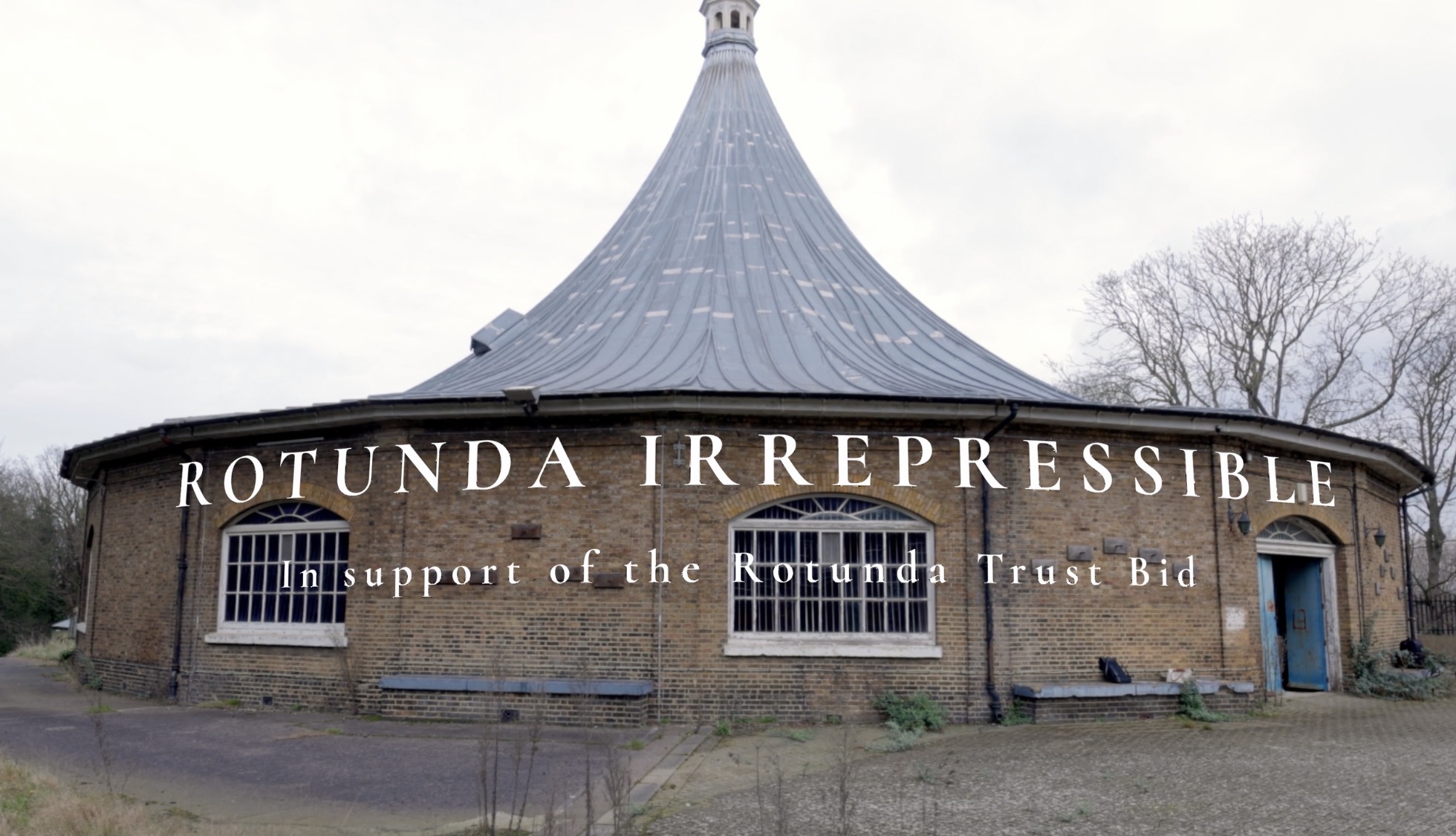
Rotunda Trust is a Building Preservation Trust formed to acquire and conserve the Woolwich Rotunda, a Grade II* listed building designed by John Nash in 1814. The building has been on Historic England's Heritage at Risk Register since 2007.
The trust was incorporated on 25 March 2026 as a company limited by guarantee (company number 17115816) and is applying for registration with the Charity Commission. Its charitable objects are the preservation of buildings of architectural or historic interest, with the Rotunda as its first and principal project.

The building
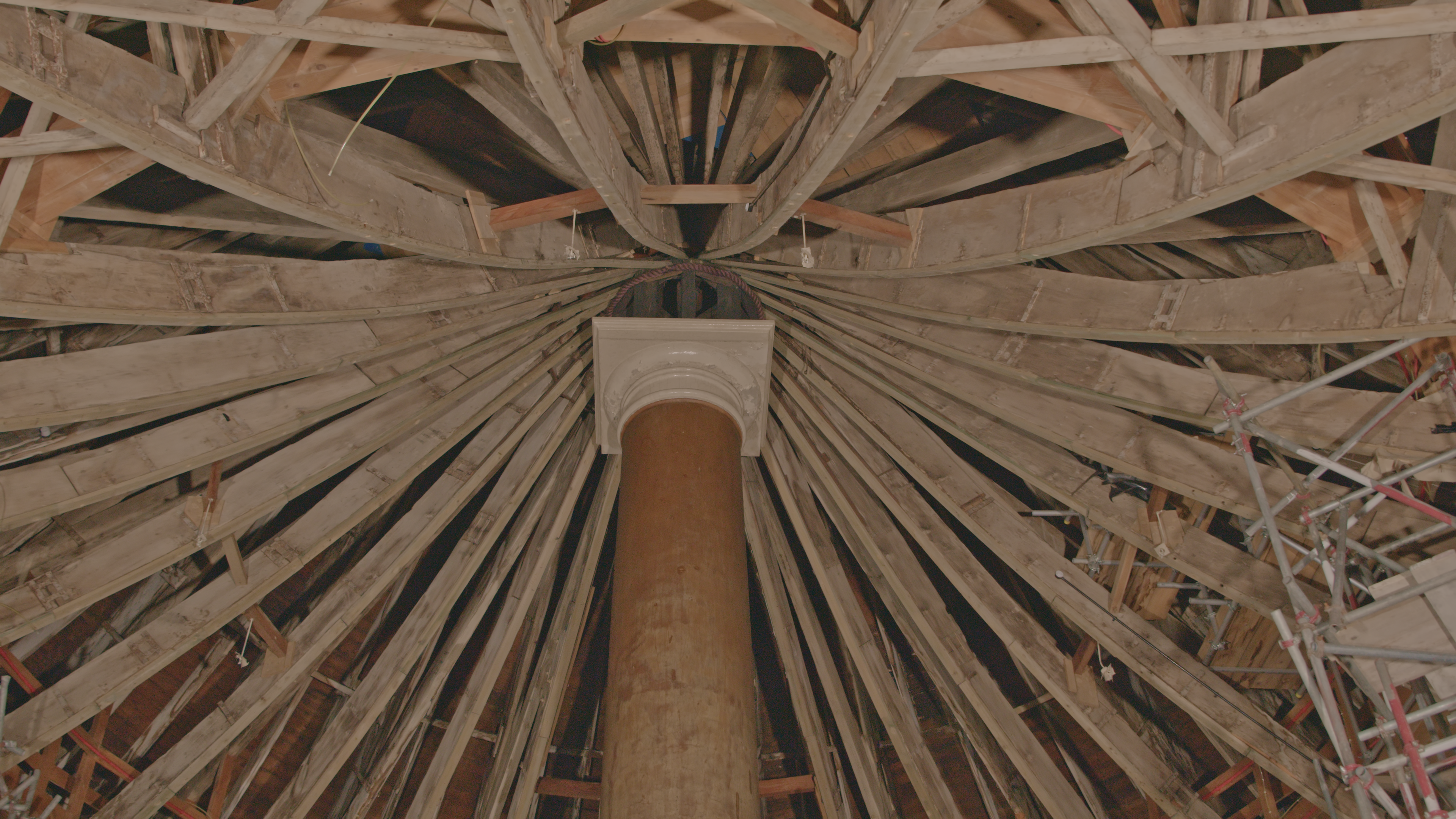
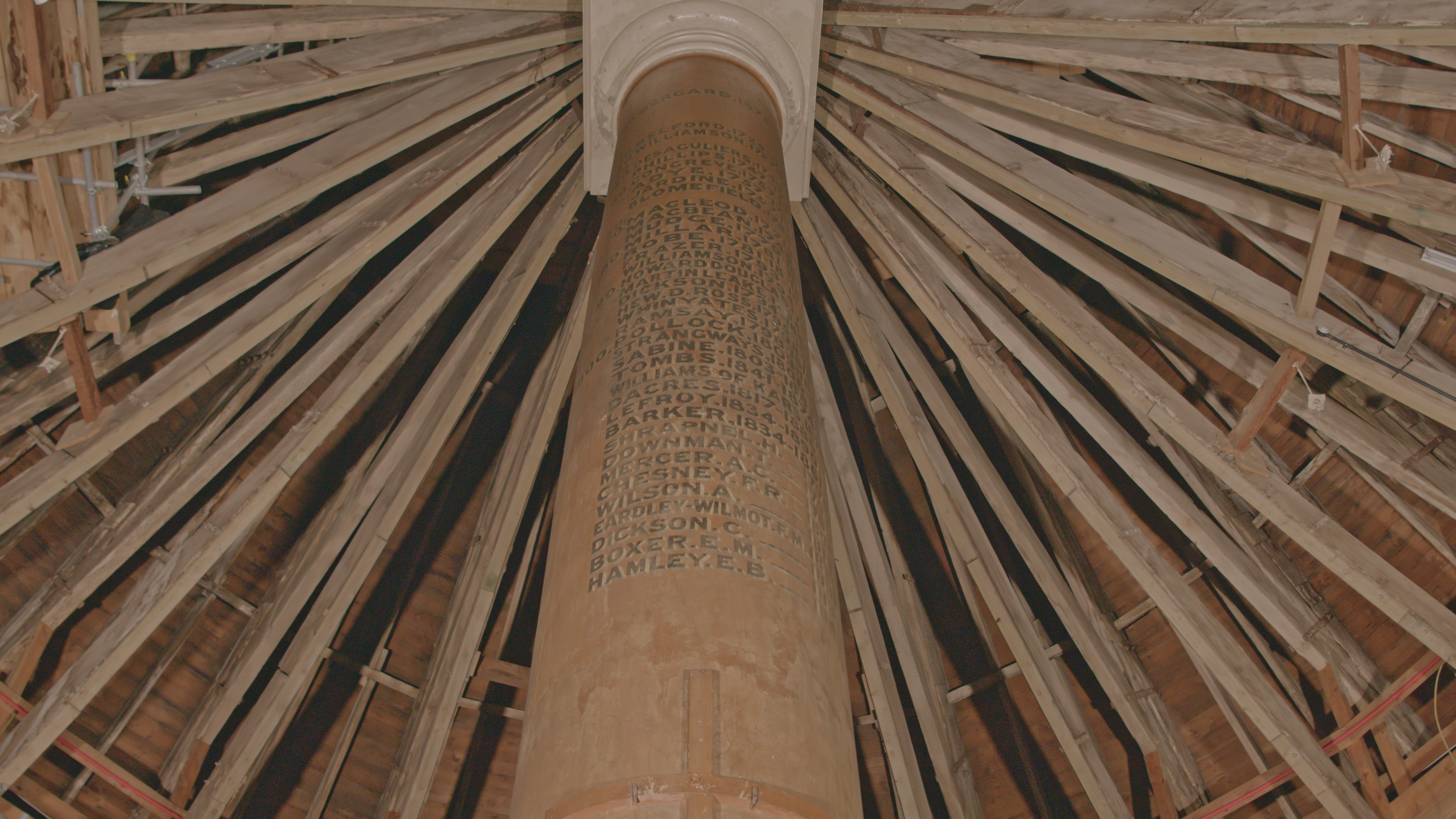
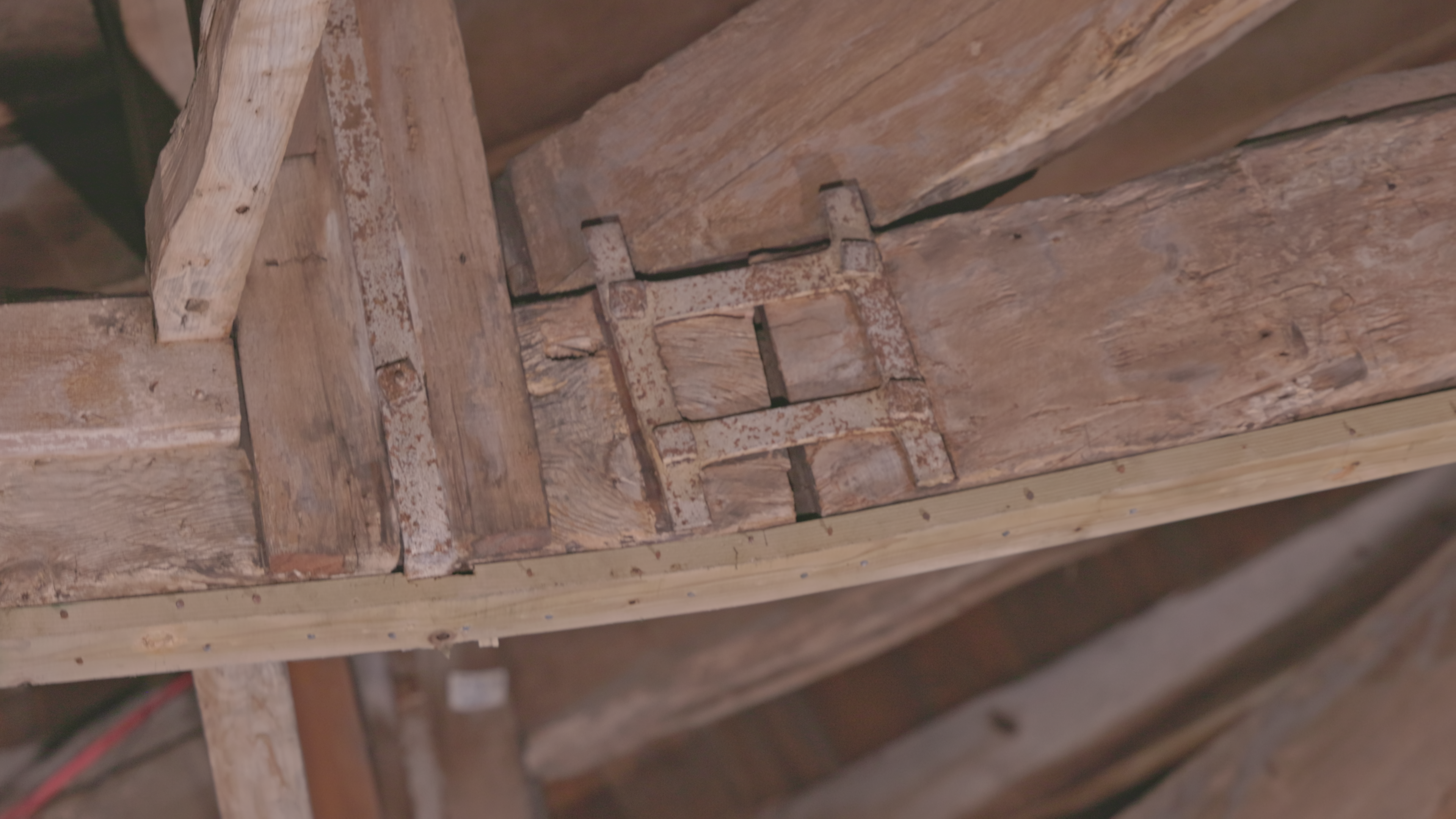
The Rotunda was constructed at Carlton House, St James's Park, for the Wellington Fete of 21 July 1814. It was moved to Woolwich Common in 1818-1820 and enclosed in a brick drum. It served as the Royal Artillery Museum from 1820 to 2001. The laminated timber roof structure is one of the earliest known examples of large-scale laminated construction in Britain.
The building is owned by the Ministry of Defence, which offered it for disposal in 2026; the disposal process is under way. Historic England describes its condition as very bad. Read the full history of the building.
Conservation and commercial use
The trust's role is to secure a long-term interest in the Rotunda, whether freehold or a long-term (50+ years) full repairing lease, and manage its conservation. Either mechanism ensures access to heritage grant funding and guarantees community access to the building for the long term. A commercial operating partner will fund the restoration through trading revenue. A binding covenant will require the operator to pay the trust a market-aligned rent, or a share of turnover or profit, whichever is larger, for ongoing conservation.
This separation of roles, with a charity holding a secure long-term interest in the building and a commercial partner operating it, is the standard BPT model. It protects the heritage asset in perpetuity while allowing a sustainable commercial use.
We will work with the Royal Borough of Greenwich, the Royal Artillery Museum, the Greenwich Enterprise Board, and other heritage partners on the building's future.
Our vision
The Rotunda was built as a place for people to gather. We want to return it to that role: a venue for community events, cultural programming, music, and private hire, with commercial income funding the building’s ongoing conservation.
Grant funding
As a charitable Building Preservation Trust, Rotunda Trust is eligible to apply for heritage grant funding from the National Lottery Heritage Fund, Historic England, and the Architectural Heritage Fund. These grants are available to charitable trusts acquiring and conserving buildings on the Heritage at Risk Register. They are not available to commercial entities acting alone.
Contact
For enquiries about the trust or the Rotunda, please write to hello@rotundatrust.org.uk.